
Connect with your roots and take a walk in the footsteps of the ancients of days on a Pilanesberg Safari tour.
8 Reasons why the Pilanesberg Nature Reserve is one of the most popular Safari destinations in South Africa:
1) It is in how the land lies: The Pilanesberg National Park is situated in the third largest volcanic crater of its kind anywhere in the world. This rare circular feature emerged from the subterranean plumbing of an ancient volcano that erupted some 1300 million years ago. Rock fans will be thrilled by the rare structures and geological features found here, rated amongst the most outstanding in the world. Look up at night and the heavenly jewels hanging from the constellations over the Pilanesberg in this ancient setting blink at their counterparts in rock.
2) The development of Pilanesberg National Park is still considered to be one of the most complex yet aspiring projects of its kind found anywhere in the world. What was audacious for the period was that landscape architects were employed to design this game reserve adjacent to Sun City. The firm that was instructed to act as consultants to draw up a management plan was Farrell and Van Riet, Landscape Architects and Ecological Planners, then a recently established Pretoria-based company, and it was instructed to act as consultants and to draw up a management plan. By the time he established the partnership of Farrell and Van Riet, Willem van Riet was a leader in the field of landscape architecture in South Africa and he was primarily responsible for linking landscape architecture with ecological planning in the country.
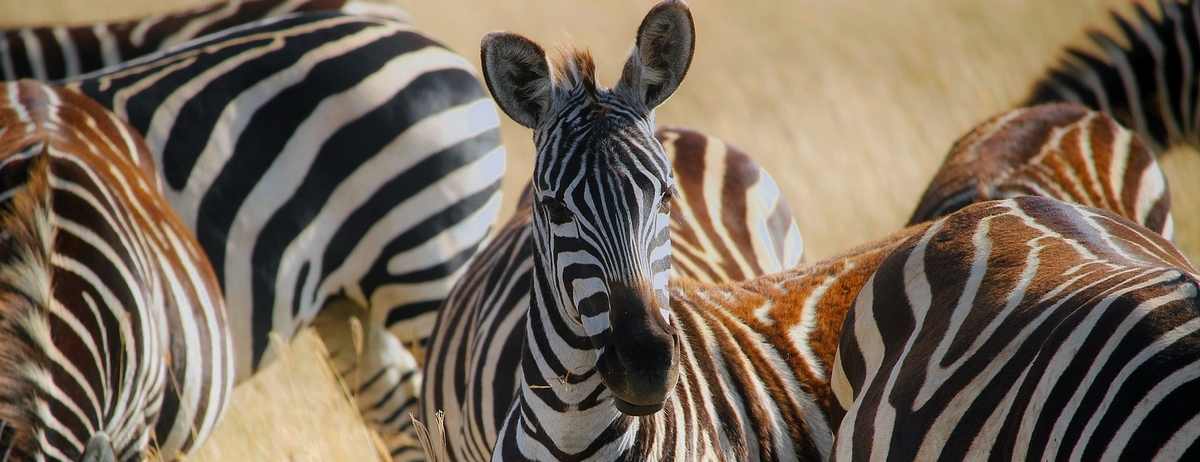
3) Wild animal lovers can recite their alphabet from A-Z on the Pilanesberg National Park Safari. Earthbound creatures abound thanks to Operation Genesis 1979, which involved the game-fencing of the reserve and the re-introduction of many long-vanished species, the park now has in excess of 7 000 animals including 24 of the larger species. Amongst others rare and common species exist with endemic species like the nocturnal brown hyaena, the fleet-footed cheetah, the majestic sable, as well as giraffe, zebra, hippo and crocodile, to mention but a few all to be seen on the Pilanesberg National park game drives.
4) This is a photographer’s paradise with well positioned hides to watch from on your Pilanesberg National Park game drives. The Elands River flows south of the Pilanesberg in an easterly direction and hides built at the man- made dams throughout the nature reserve offer tourists on safari opportunities to photograph birds and game.
5) Manyane has a walk-in aviary with over 80 species of indigenous birds and there are over 300 other species alone identified in the area. Look out for the Black Breasted Snake Eagle, Berghaan, Witkatlagter and Lilac Breasted Roller on your safari drive.
6) You can practice your Amphibious animals alphabet from the common Platanna to the Skurwepadda to the Olive Toad (Segwagwa in Setswana) in the Pilanesberg Game Park
7) Tree huggers can wrap their arms around various families of indigenous species of trees. The Aloe family, Willow family, Wax Berry family, Mulberry family and Sour Plum family are well represented.
8) The Pilanesberg Safari camp is only three hours from Johannesburg, close to Pretoria and Rustenburg with the Pilanesberg International Airport inside the park. You will notice on a map of the Pilanesberg that the park is circular in shape as it is a caldera – a volcano that has collapsed inwards.
There is nothing like a Safari in the African Bushveld and joining us on a Pilanesberg Safari in the Pilanesberg National Park, will provide an experience within this 1300-million-year-old landscape that will remain with you forever.
Book now for one of our Pilanesberg Tours